Instruments
-
How to Choose the Right Instrument for You: A Comprehensive Guide
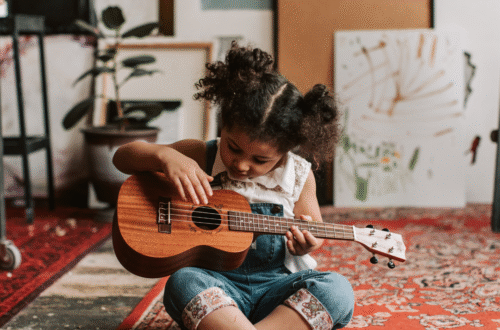
Choosing the right musical instrument can greatly enhance one’s musical journey. With a variety of options available, it is essential for individuals to consider their personal interests, physical attributes, and the type of music they wish to explore. Ultimately, finding an instrument that aligns with one’s passion and playing style is key to fostering enjoyment and skill development. Each instrument has its own unique character and demands. Factors such as size, weight, and sound production can affect comfort and playability. Individuals should also think about whether they prefer solo play or participating in groups, as this could influence their choice of instrument significantly. Exploring different instruments through hands-on experience can…
-
Traditional Instruments from Around the World: A Global Exploration
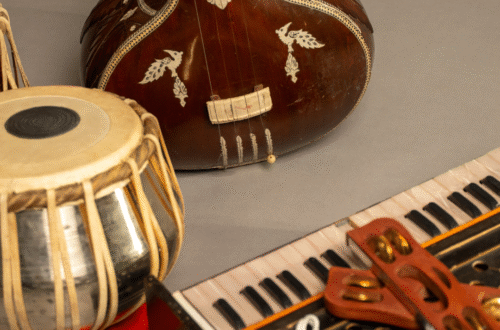
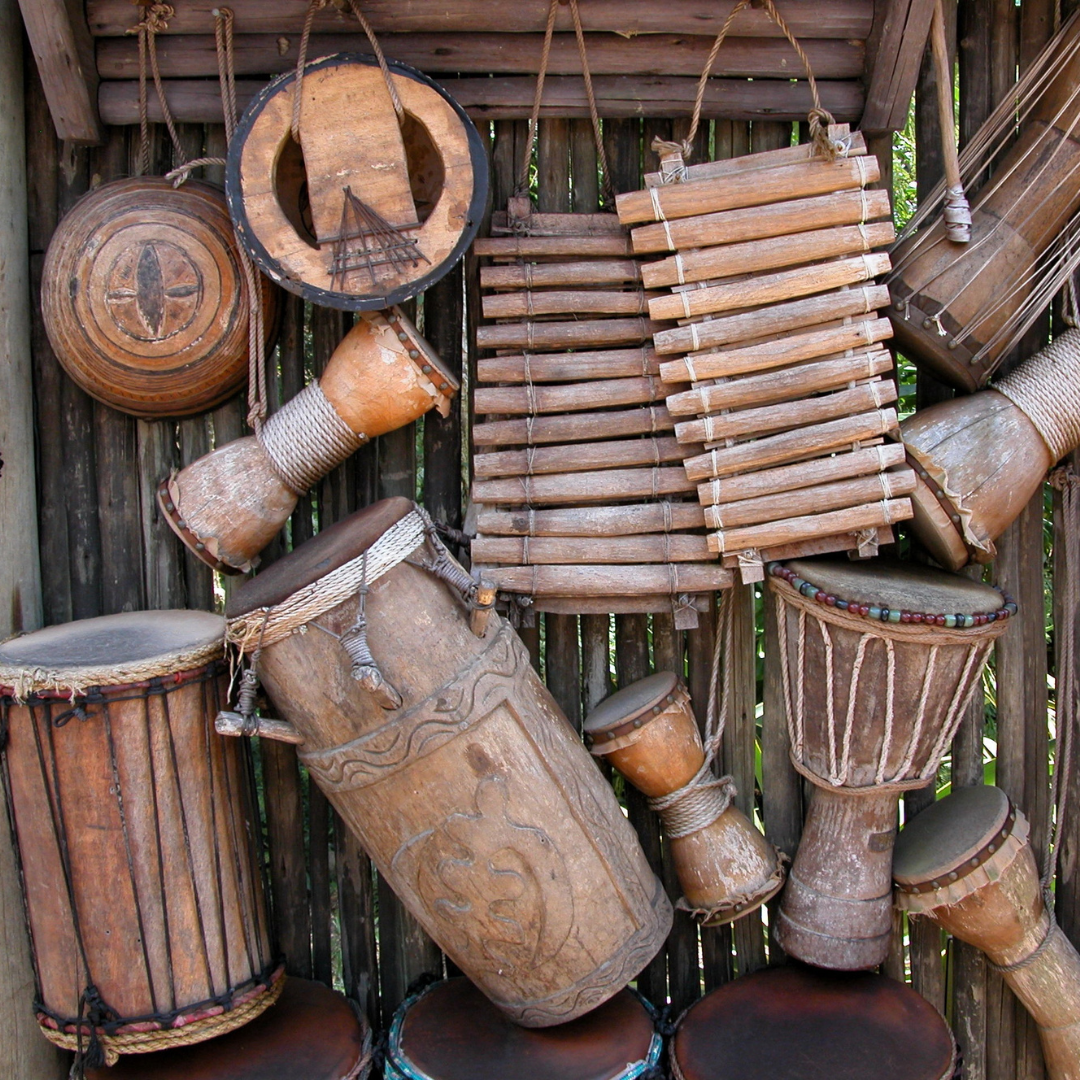
Music is a universal language, and traditional instruments from around the world play a vital role in expressing the cultural identities of their communities. These instruments, ranging from the sitar of India to the djembe of West Africa, embody unique histories, techniques, and sounds that reflect the traditions of their respective cultures. Exploring these traditional musical instruments reveals the diverse types of instruments and their contributions to traditional music across different societies. Each culture has developed its own distinctive instruments, which are often tied to social rituals, festivities, or storytelling. For instance, the harp in Celtic music delivers a sense of nostalgia, while the didgeridoo from Australia evokes deep connections…
-
Tips for Learning the Piano: Unlock Your Musical Potential
Learning the piano can be a fulfilling and enjoyable endeavour for anyone, regardless of age or background. To become proficient, it is essential to practice regularly, set achievable goals, and maintain a positive mindset. These approaches cultivate a productive learning environment and enhance the overall experience. Establishing a consistent practice routine helps reinforce skills and builds muscle memory. Integrating various learning methods, such as online tutorials, sheet music, and guided lessons, can provide diverse perspectives and techniques. Embracing these tips will foster a deeper understanding of the instrument and expedite progress. By staying motivated and open to new challenges, learners can overcome obstacles and make steady advancements in their piano…
-
The Benefits of Learning Multiple Instruments: Enhancing Musicianship and Creativity
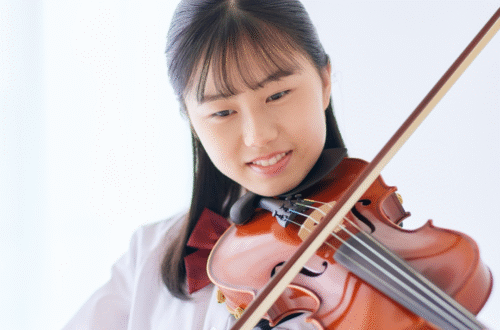
Learning multiple instruments can significantly enhance a musician’s versatility and creativity. By mastering different instruments, one not only broadens their musical skills but also deepens their understanding of various genres and styles. This multi-instrumentalist approach can lead to a more rewarding musical journey, fostering a greater appreciation for music as a whole. Musicians who engage with various instruments often find new ways to express their musical ideas. Experimenting with different sounds can inspire fresh compositions and arrangements, pushing creative boundaries. Additionally, learning multiple instruments can improve overall musical problem-solving abilities, allowing individuals to navigate complex harmonies and rhythms with ease. The benefits extend beyond technical proficiency. Engaging with multiple instruments…