Entertainment & Culture
-
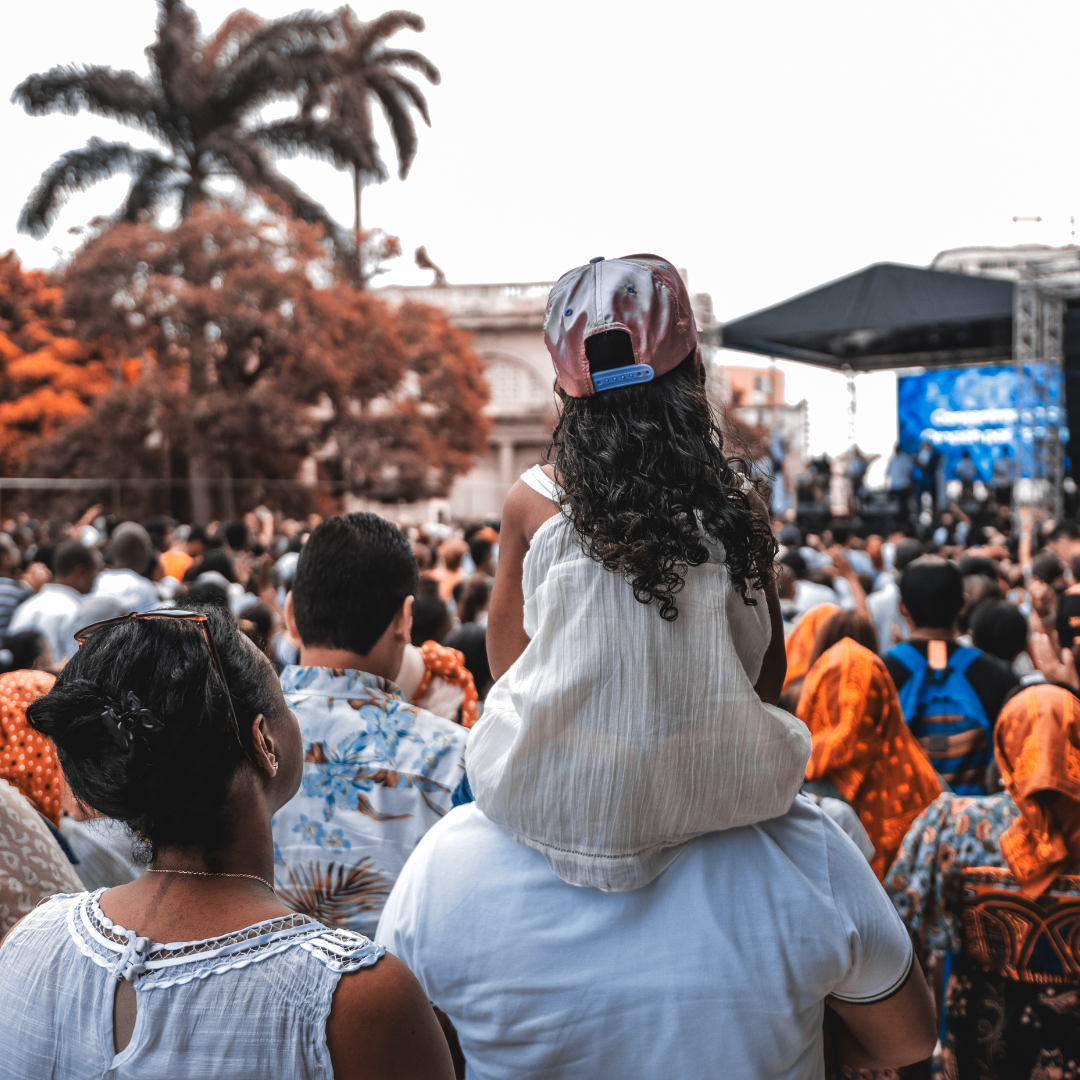
Why the Festival Experience Is More Than Just Music: Exploring Community, Culture and Connection
Festivals draw people together not just for the music, but for an immersive experience that engages all the senses. Attendees find community, culture, and creativity that extend beyond the stage. The festival experience offers connection, atmosphere, and shared moments that music alone cannot provide. Beyond live performances, festivals create unique spaces where art, food, and social interactions merge. These elements combine to form memories and feelings that stay with people long after the final song ends. This blend of factors makes festivals rich, multi-dimensional events. They provide personal and collective experiences that make attending worthwhile beyond simply listening to music. Connection and Community at Festivals Festivals bring people together through…
-
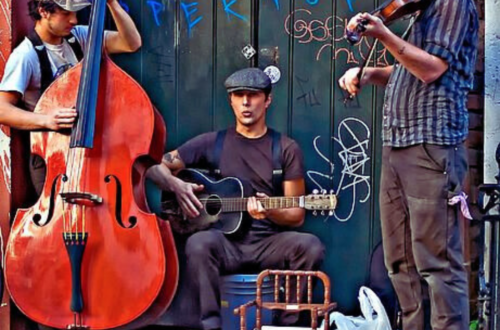
Why Storytelling Is the Soul of Live Performance: Essential Elements That Engage and Inspire Audiences
Live performance connects artists and audiences through shared experience, where storytelling acts as the essential thread. It transforms mere actions into meaningful moments that engage emotions and ideas. Storytelling is the soul of live performance because it gives context and purpose to the expressions on stage, making the experience memorable and impactful. Without a story, performances risk losing their depth and emotional resonance. Whether through drama, music, dance, or spoken word, narrative shapes the way audiences perceive and relate to what they witness. This article explores why storytelling remains central to the power of live art. The Central Role of Storytelling in Live Performance Storytelling in live performance creates a…
-
Why Cultural Memory Lives On Through Music: The Power of Sound in Preserving Heritage
Music holds the stories and emotions of communities, making cultural memory accessible across generations. It acts as a living archive, preserving traditions and historical experiences in a form that resonates deeply with people. Cultural memory lives on through music because it connects individuals to their collective past, sustaining identity and shared values over time. This connection helps people remember and understand where they come from, even as their societies change. Through rhythm, melody, and lyrics, music carries not only facts but feelings that words alone often cannot express. It continues to shape how cultures remember and celebrate their heritage. The Power of Music in Shaping Cultural Memory Music functions as…
-
How Soundtracks Give Depth to Visual Media, Enhancing Emotion and Immersion
Soundtracks play a crucial role in enhancing the experience of visual media by adding emotional layers and guiding audience perception. They influence how viewers interpret scenes, providing context beyond what is shown on screen. A well-crafted soundtrack can transform simple visuals into a richer, more immersive story. Music and sound effects work together to create mood and tone, often signalling shifts in narrative or emphasising key moments. This auditory dimension helps deepen engagement, allowing viewers to connect with characters and situations on a more profound level. By reinforcing themes and evoking specific emotions, soundtracks become essential tools for filmmakers and creators. They add subtlety and complexity, making the overall work…
-
How Protest Songs Shape Public Consciousness and Influence Social Change
Protest songs have long served as a powerful tool in shaping public consciousness by expressing collective frustration and highlighting social issues. They distil complex political and cultural debates into accessible, memorable messages that resonate widely. These songs influence attitudes and inspire action by connecting emotionally with listeners and giving a voice to shared experiences. Through repeated listening and performance, protest music becomes embedded in social movements, helping to define their identity and goals. By capturing the spirit of a moment, protest songs can impact public opinion beyond the immediate context, encouraging reflection and debate. This effect continues as new generations discover and reinterpret these musical messages. The Power and Mechanisms…
-
How Live Shows Are Being Reimagined For Digital Audiences: Enhancing Engagement And Accessibility
Live shows are evolving to reach audiences beyond physical venues by integrating digital technology. Artists and producers now use streaming platforms, interactive features, and virtual reality to create immersive experiences tailored for online viewers. The key change is that live performances are being designed specifically to engage digital audiences, not just to replicate the in-person event online. This shift allows for new formats and modes of interaction, altering how people experience concerts, theatre, and other live entertainment. By combining real-time streaming with digital enhancements, live shows can offer accessibility and innovation simultaneously. This reimagining opens fresh opportunities for creativity and audience connection across the globe. The Shift to Digital: How…
-
How Home Studios Are Empowering New Artists to Transform the Music Industry
Home studios have transformed the music industry by giving new artists unprecedented control and access to professional-quality production. They empower artists to create, record, and produce their own music without relying on expensive studio time or external producers. This shift has lowered barriers to entry, enabling creativity to flourish outside traditional recording environments. It allows musicians to experiment and develop their unique sound at their own pace. The rise of affordable technology and software has made home studios more accessible than ever. As a result, new artists can now reach audiences worldwide while maintaining full artistic independence. The Rise of Home Studios in the Modern Music Industry The accessibility of…
-
How Cultural Archives Preserve Forgotten Sounds to Safeguard Heritage and Identity
Cultural archives play a crucial role in preserving sounds that might otherwise fade into silence. They collect, catalogue, and safeguard recordings of music, speech, rituals, and everyday noises that reflect a community’s identity and history. By maintaining these sounds, cultural archives ensure that forgotten voices and traditions remain accessible to future generations. These archives not only protect audio but also provide context, helping researchers and the public understand the significance behind each recording. They serve as a bridge between past and present, allowing cultural expressions to be studied, appreciated, and sometimes revived. Without these dedicated efforts, many unique sounds and languages would disappear, erasing parts of human experience. Cultural archives…
-
How 90s Rave Culture Still Influences Today’s Music Trends and Styles
The 1990s rave culture laid the foundation for many contemporary music genres, particularly electronic and dance music. Its influence is evident today in the resurgence of house and techno sounds, shaping the playlists of both mainstream and underground artists. Festivals and clubs continue to echo the vibrant, energetic atmosphere established during the rave scene, fostering community and connection through music. This powerful legacy can be observed as modern musicians incorporate elements from 90s rave into their work, blending nostalgia with innovation. Many emerging artists pay homage to the pulsating beats and euphoric melodies that defined the era, proving that the essence of rave culture is far from forgotten. The ongoing…
-
How Grime Music Reflects Youth and Culture: A Deep Dive into Its Social Impact
Grime music has emerged as a powerful voice for British youth, capturing the raw experiences and aspirations of a generation. It reflects the realities of urban life, serving as a medium for self-expression amidst the challenges many face today. This genre not only resonates with the struggles of its listeners but also embodies the cultural identity of young people navigating a complex social landscape. The beats and lyrics of grime convey themes of resilience, community, and defiance, showcasing the vibrant culture within which it thrives. Artists like Stormzy and Skepta have brought grime to the mainstream, highlighting its significance beyond mere entertainment. Through their music, they address issues such as…
You May Also Like
Why the Festival Experience Is More Than Just Music: Exploring Community, Culture and Connection

How Live Shows Are Being Reimagined For Digital Audiences: Enhancing Engagement And Accessibility

Why Storytelling Is the Soul of Live Performance: Essential Elements That Engage and Inspire Audiences