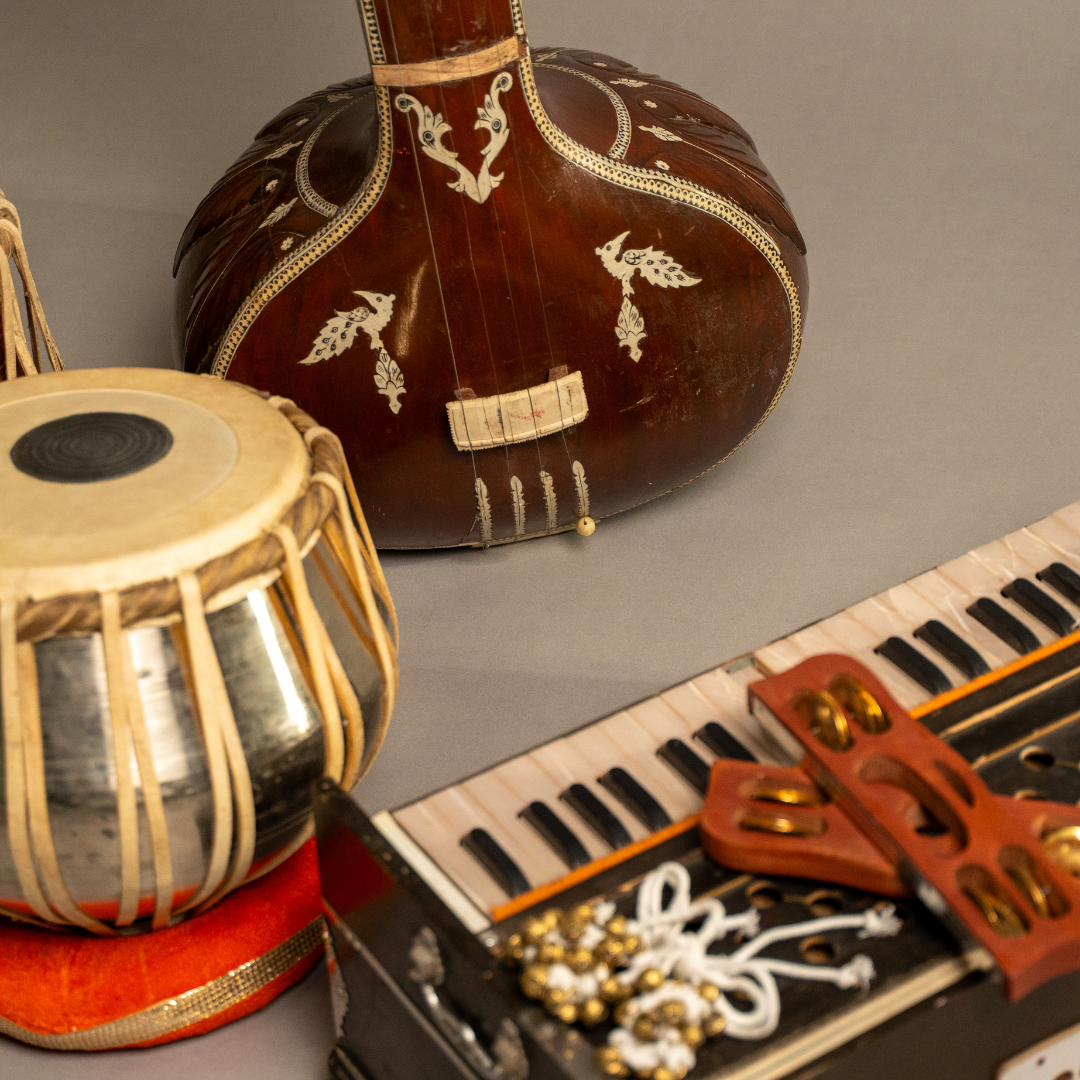
Why Vintage Instruments Remain in High Demand: Timeless Quality and Unique Sound Appeal
Many musicians and collectors continue to seek vintage instruments because they offer unique qualities not often found in modern counterparts. The craftsmanship, materials, and sound characteristics from past decades create an experience valued by players and enthusiasts alike.
Vintage instruments remain in high demand because they combine historical significance with distinctive tonal qualities that modern mass-produced instruments often lack. This combination makes them appealing both as playable tools and as collectable items with enduring value.
Beyond sound, the story behind each instrument adds a layer of authenticity, making them desirable for those who appreciate tradition and heritage in music. This blend of performance and legacy keeps vintage instruments relevant across generations.
Core Reasons for High Demand in Vintage Instruments
Vintage instruments attract musicians and collectors due to their distinct qualities, which differ notably from modern equivalents. These qualities include sound characteristics, craftsmanship, and physical durability that many contemporary instruments do not replicate.
Unique Sound Qualities and Playability
Vintage guitars and pianos are prized for their distinctive tonal properties. Wood and other materials age over time, altering resonance and producing richer, warmer sounds that appeal to many musicians. This patina of sound cannot be artificially recreated with new instruments.
Many vintage instruments have playability features that reflect the design preferences of renowned luthiers from earlier periods. Neck shapes, string tension, and subtle construction details allow for nuanced expression and a tactile experience often favoured by professional players.
Superior Craftsmanship and Materials
The craftsmanship in vintage instruments often reflects custom work by skilled luthiers who used old-world techniques. This includes hand-carving wood, intricate inlays, and precise assembly that emphasises quality over mass production.
Materials used in vintage guitars and pianos were often sourced from old-growth timber and other natural elements now scarce or regulated. These materials contribute to the integrity of sound and structural performance, setting these instruments apart from newer models.
Longevity and Durability
Vintage instruments are generally built to last, with solid construction methods that ensure durability. Many have survived for decades, functioning well due to quality joinery and stable woods.
Regular maintenance has kept many vintage instruments in playable condition despite age, making them reliable tools for specific musical needs. Their ability to endure wear while maintaining sound quality explains why they remain in demand among collectors and performers alike.
Heritage, Rarity and Notable Brands
Vintage instruments hold distinct value due to their background, limited availability, and association with key manufacturers. These factors make certain models highly sought after in the market, especially among collectors and musicians.
Historical Significance and Provenance
Many vintage guitars carry stories linked to musical history. Instruments like the Fender Stratocaster and early Gibson guitars have been used by influential artists, creating links that enhance their desirability. Provenance — documentation proving an instrument’s origin and ownership — further adds to value, especially when connected to famous musicians or important recordings.
Historical characteristics, such as original parts or finish, are crucial in maintaining an instrument’s authenticity. This connection to the past appeals to both players who want a specific tone and collectors interested in preserving music history.
Limited Production and Scarcity
The rarity of vintage instruments directly impacts their demand. Many iconic models were produced in limited numbers or discontinued decades ago, making surviving examples fewer each year. For instance, early Gibson guitars from the 1950s exist only in small quantities compared to modern instruments.
Age-related wear and loss reduce the overall availability of high-quality vintage electric guitars. Scarcity drives prices up in the vintage guitar market, as buyers compete for the few well-preserved or original-condition pieces left.
Iconic Manufacturers and Models
Certain brands dominate the vintage guitar market because of their lasting influence and craftsmanship. Fender and Gibson are two of the most notable manufacturers, with specific models like the Fender Stratocaster and Gibson Les Paul leading demand.
These companies established standards for sound and design that remain relevant. Models from distinct production periods—such as late 1950s Fender Stratocasters—are especially prized due to their build quality and tonal characteristics. Collectors often focus on these icons because they represent key moments in electric guitar evolution.
Collectibility and Financial Value
Vintage instruments often hold significant financial value due to their rarity, historical importance, and condition. Factors such as market demand, provenance, and cultural relevance strongly influence price trends across different markets.
Investment Potential
Vintage guitars and similar instruments are increasingly seen as alternative investments. Unlike stocks or bonds, their value can appreciate steadily over time, especially for models linked to famous musicians or limited editions.
Collectors assess investment potential based on brand prestige, age, and originality. For example, early Fender Stratocasters or Gibson Les Pauls typically command higher prices in the vintage guitar market. Condition and authenticity remain critical, as modifications can reduce value.
Investment risks exist, including market fluctuations and liquidity challenges. However, well-documented provenance and certification from respected experts can mitigate these risks, making certain vintage instruments highly sought after by investors.
Auction Houses and Specialist Markets
Auction houses play a crucial role in facilitating sales of vintage instruments, often setting benchmark prices. Reputable auctioneers like Sotheby’s and Christie’s conduct specialised sales that attract global collectors and musicians.
These auctions provide transparency in pricing and ensure instruments are vetted by experts before sale. The presence of high-profile musicians bidding or selling at these events often increases visibility and drives up prices.
Specialist dealers and vintage instrument fairs complement auctions by offering more direct negotiation opportunities. They cater to niche markets, enabling access to rare instruments not regularly seen at public auctions.
Market Trends and Value Appreciation
The vintage guitar market shows cyclical trends but generally demonstrates long-term value appreciation. Models from the 1950s and 1960s remain particularly valuable due to limited production during those years.
Musicians contribute significantly to market trends. Increased use of vintage instruments in recordings or tours often boosts demand, affecting prices. For example, renewed interest in specific guitar models after a prominent artist’s use can cause sudden spikes in value.
Economic factors influence the market as well. Periods of financial uncertainty can reduce demand, while stable or growing economies typically support higher valuations and increased collector activity.
Comparisons to Modern Instruments
Differences in materials, craftsmanship, and sound quality distinguish vintage instruments from their modern counterparts. The perceived worth and the role of today’s luthiers also shape the standing of new instruments in the market.
Differences in Build and Sound
Vintage instruments often use woods and materials that are no longer readily available or sustainably sourced. This results in unique tonal characteristics that many players find richer or more nuanced than those of modern instruments.
Craftsmanship in vintage pieces reflects techniques that may have evolved or faded over time. For example, hand-carved components and traditional glues influence resonance in ways machine-made parts rarely replicate.
Modern instruments sometimes prioritise consistency and durability, using laminates or synthetic materials. This can enhance reliability but often alters the acoustic properties, resulting in clearer but less complex sound profiles compared to vintage models.
Perceived Value of New Instruments
New instruments are frequently valued for innovation, playability, and warranty assurances. Buyers often consider modern designs more ergonomic and versatile for contemporary music styles.
However, many musicians and collectors regard new instruments as less prestigious, due to the absence of historical significance or the “aged” aesthetic. The market value of new instruments rarely approaches that of well-maintained vintage examples.
Price stability is another factor. Newly released models tend to depreciate, while vintage instruments can appreciate or retain their value, especially those linked to famous musicians or rare production eras.
Influence of Contemporary Luthiers
Contemporary luthiers blend traditional methods with modern technology, aiming to improve durability and sound quality. Their work helps bridge the gap, creating instruments that appeal to those seeking vintage tones with modern reliability.
Some luthiers specialise in crafting vintage-style instruments, meticulously recreating the materials and techniques of earlier periods. This niche caters to players wanting vintage aesthetics without the premium price or fragility.
Others innovate boldly, using new materials or designs to support evolving musical genres. Their influence is shaping what will eventually become the vintage instruments of the future, reflecting both tradition and progress.

You May Also Like
Traditional Instruments from Around the World: A Global Exploration

Why Sound Design Is the Secret Weapon in Music: Unlocking Creative Potential and Impact