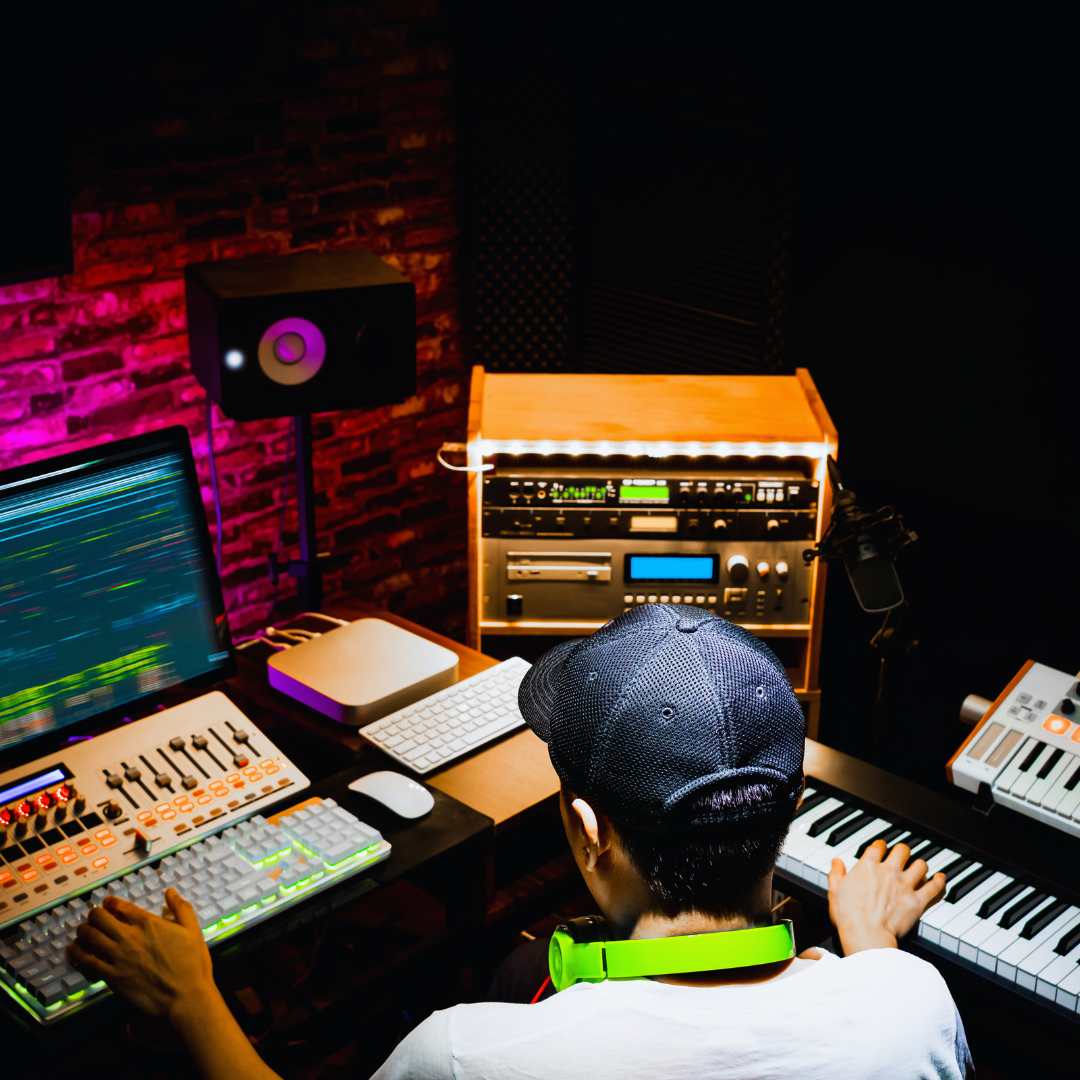
Why Sound Design Is the Secret Weapon in Music: Unlocking Creative Potential and Impact
Sound design shapes the way music is experienced by giving tracks their unique texture and emotional depth. It’s not just about notes or lyrics; it’s about how sounds are crafted to create atmosphere and impact. Sound design is the secret weapon because it transforms ordinary music into something memorable and immersive.
Producers use sound design to build character in their work, making tracks stand out in a crowded market. The subtle choices in sound selection and manipulation influence how listeners connect with a song on a deeper level.
Understanding sound design shows how much a piece of music can communicate without words. It reveals the unseen craftsmanship behind every beat and melody, making it a fundamental part of music production.
Sound Design as the Secret Weapon in Modern Music
Sound design shapes the identity of modern music by crafting unique textures and sonic elements. Its influence is visible across various genres, driving innovation and emotional impact. Recognising the role of sound design reveals why many producers prioritise it in their creative process.
Defining Sound Design in Music Production
Sound design involves creating and manipulating audio elements to form distinctive sounds. It goes beyond recording instruments, focusing on shaping tones with synthesisers, samplers, and effects. Music producers use sound design to build atmospheres, rhythms, and textures that stand out.
In electronic music, sound design often centres on synthesiser patches, drum programming, and processing techniques. The goal is to generate original sounds rather than relying on presets or samples. Effective sound design enhances the overall production, making tracks feel fresh and purposeful.
Evolving Role in Contemporary Genres
In modern music, sound design has expanded from niche electronic styles to genres like pop, hip-hop, and indie. Producers increasingly blend synthetic and organic sounds to create complex, layered productions. This evolution allows artists to push creative boundaries, giving songs a unique signature.
Technology advances have made sophisticated tools accessible, enabling producers to experiment extensively. Modern music producers use sound design to influence mood, dynamics, and song structure. The practice has become essential in defining the sound of entire musical movements.
Case Studies of Iconic Tracks
Tracks like Burial’s Archangel showcase intricate sound design through textured ambient layers and manipulated samples, defining the UK garage and dubstep scene. Billie Eilish’s Bad Guy uses minimalist sound design with unconventional percussion and vocal effects, shaping its distinctive style.
Daft Punk’s One More Time combines robotic synths and filtered vocal samples to create a timeless dance track, highlighting their production mastery. These examples illustrate how sound design underpins the identity and memorability of successful modern music.
The Emotional and Creative Power of Sound Design
Sound design controls the emotional resonance, creative identity, and stylistic boundaries of music. It shapes how listeners connect with melodies, textures, rhythms, and the overall sonic landscape.
Shaping Emotional Impact and Mood
Sound design affects emotional impact by manipulating elements like bass intensity, reverb, and texture. A deep, warm bass can evoke comfort or tension, while sharp high frequencies create alertness or excitement. Changes in sonic texture influence whether a track feels intimate or expansive.
The tone and spatial placement of sounds contribute to the mood. For example, subtle echo effects make melodies feel distant or dreamy, while dry, close sounds can generate immediacy and rawness. These choices impact how listeners emotionally perceive the music beyond the notes themselves.
Crafting Unique Sonic Identity
Sound design enables artists to develop a recognisable sonic identity distinct from melody or lyrics alone. Crafting original textures, particular synth patches, or characteristic effects defines an artist’s style in music production.
Unique sound design decisions—such as trademark bass timbres or innovative rhythmic patterns—help distinguish acts in crowded genres. This identity impacts branding and listener loyalty, often becoming as memorable as vocal or instrumental parts.
Influence on Genre and Style
Sound design is central to defining and evolving musical genres. Specific sound textures, rhythms, and bass treatments can signify genres like dubstep’s growling bass or ambient’s spacious pads.
Producers often push genre boundaries by experimenting with sound design, blending traditional elements with novel sonic landscapes. This creativity affects how genres develop and cross-pollinate, making sound design key to both tradition and innovation in music.
Core Techniques and Tools in Sound Design
Sound design relies on specific technical approaches to shape and enhance audio. It involves using various methods to create texture, depth, and emotion in music through both hardware and software.
Synthesis and Use of Synthesisers
Synthesisers generate sound by manipulating waveforms electrically or digitally. Common synthesis types include subtractive, additive, FM (frequency modulation), and wavetable. Each has distinct ways to alter timbre and texture by controlling oscillators, filters, envelopes, and LFOs.
Modifying parameters like filter cutoff or resonance can drastically change the character of a sound. Synthesisers also enable layering of multiple waveforms to build complex sounds. They are essential for producing basses, leads, pads, and sound effects unique to a track’s identity.
Sampling and Field Recording Methods
Sampling involves capturing and reusing sounds from various sources. Producers often manipulate these samples by changing pitch, tempo, or applying filters. Field recording captures ambient sounds or specific noises from nature, urban environments, or mechanical sources.
These recordings add natural or unexpected textures to music. They are often layered with instruments to provide realism or create abstract soundscapes. Using high-quality microphones and portable recorders is essential for clear, usable samples.
Layering and Manipulating Audio Elements
Layering multiple audio elements builds complexity and richness. Combining different sounds can create new textures or emphasise particular frequencies. For example, layering a distorted guitar with subtle synth pads can add both grit and atmosphere.
Manipulation techniques include time-stretching, pitch-shifting, and reversing audio clips. These processes alter perception without losing the original sonic identity. Automation controls volume, pan, and effects over time to add movement and variation.
Essential Effects: Reverb, Delay, and Distortion
Reverb simulates acoustic space, placing sounds in an imagined environment, from small rooms to vast halls. It adds depth and helps blend separate elements. Delay repeats the original sound with controlled timing, creating echoes or rhythmic patterns that enhance spatial effects.
Distortion alters waveform shape, adding harmonics or saturation. It ranges from subtle warmth to aggressive overdrive. These effects are used stylistically to shape texture, emphasise dynamics, and create character within a mix.
The Role of Technology and Workflow
Technology plays a critical role in sound design, shaping both the creative and technical processes. Effective workflow strategies ensure that music producers can fully utilise tools to craft precise and innovative sounds.
Digital Audio Workstations and Plugins
Digital Audio Workstations (DAWs) form the backbone of modern sound design. Popular DAWs such as Ableton Live, Logic Pro, and FL Studio offer flexible environments to record, edit, and arrange audio.
Plugins extend the core functionality of DAWs by providing specialised effects and virtual instruments. Common plugins include synthesisers, reverbs, compressors, and EQs, which allow detailed control over the sound.
Choosing the right DAW and plugins depends on a producer’s needs and workflow preferences. Compatibility and ease of use influence productivity, while plugin quality directly affects the clarity and uniqueness of sounds.
Best Practices for Mixing and Organisation
Organised project management within a DAW is essential for efficient mixing. Labelled tracks, colour coding, and grouping related elements save time and reduce confusion during complex sessions.
Consistent use of templates that include preset routing and commonly used effects can speed up the mixing process. Producers often rely on reference tracks to maintain balance across frequencies and dynamics.
Applying gain staging and using bussing techniques improves clarity and maintains headroom. Mixing in stages—starting with volume balancing, followed by EQ and effects—helps maintain control over the sound.
Expanding Creative Possibilities with Modern Tools
Modern sound design benefits from innovative tools such as modular synthesis emulators, AI-assisted plugins, and granular synthesis. These tools allow producers to experiment beyond traditional sounds.
Workflow automation in DAWs, like macros and MIDI mapping, enables dynamic sound manipulation in real time. This flexibility encourages creative exploration without sacrificing technical precision.
Collaboration platforms integrated with DAWs also enhance creativity by allowing multiple users to contribute remotely, streamlining feedback and iteration without physical constraints.


You May Also Like

How to Choose the Right Instrument for You: A Comprehensive Guide

Why Play the Saxophone: Exploring Its Unique Benefits and Joys