The Impact of Street Art on Urban Music Scenes: Exploring Cultural Interconnections
Street art has a unique ability to shape and define urban music scenes, acting as a visual catalyst for creativity and expression. The presence of vibrant murals and graffiti not only influences the aesthetics of neighbourhoods but also fosters a sense of community among artists and musicians alike. This interconnectedness leads to the emergence of new styles and genres, invigorating the local music landscape.
As street artists leave their marks on city walls, they simultaneously inspire musicians to explore themes of identity, resistance, and social commentary. The dialogue between these two forms of expression enriches the cultural fabric of urban areas, allowing for a dynamic interplay that captures the essence of contemporary life. This synergy enhances the appeal of local music venues, drawing in crowds eager to experience authentic and immersive cultural phenomena.
The impact of street art extends beyond mere decoration; it challenges the norms of artistic expression and invites collaboration. By examining the relationship between street art and urban music scenes, one uncovers a rich narrative that highlights the power of creativity to transform public spaces and elevate community voices.
The Genesis of Street Art and Its Connection to Urban Music
Street art emerged as a powerful medium for self-expression within urban environments, intertwining with the evolution of urban music. Its roots can be traced to the vibrant cultural landscapes shaped by hip-hop and graffiti. This art form not only reflects social issues but also amplifies the voices of communities often overlooked.
Historical Roots and Proliferation
Street art began gaining prominence in the late 1960s and 1970s, particularly in cities like New York. Influenced heavily by graffiti, it became a canvas for social commentary and a platform for creative expression.
The rise of hip-hop during this period created an interconnectedness between art and music. Street artists, like graffiti writers, often collaborated with musicians. Events like block parties showcased both street art and urban music, creating a cultural synergy.
As urban areas evolved, street art proliferated, becoming integral to city landscapes. It transformed urban settings into cultural landmarks, with artists using public spaces to make statements, further enriching the music scene.
Key Figures: Haring, Basquiat, and Banksy
Prominent artists like Keith Haring, Jean-Michel Basquiat, and Banksy have significantly shaped the relationship between street art and music.
Keith Haring emerged in the 1980s as a symbol of urban culture. His vibrant, cartoon-like designs often spoke to themes of love, death, and AIDS awareness. Haring’s work became synonymous with the New York art scene and influenced numerous musicians.
Jean-Michel Basquiat started as a graffiti artist before transitioning to fine art. His pieces often incorporated elements from hip-hop culture, drawing on his experiences in New York. His art resonated deeply with musicians and helped elevate street art’s status.
Banksy, the anonymous British street artist, adds another layer of complexity. His satirical and politically charged works have sparked dialogue and reached global audiences, influencing contemporary music and culture.
These artists exemplify the deep-rooted connections between street art and urban music, showcasing how both forms reflect and shape societal narratives.
Street Art as a Canvas for Cultural and Musical Expression
Street art serves as a vibrant medium through which cultural and musical narratives come to life. This artistic form profoundly impacts urban music scenes by providing platforms for creativity, community engagement, and social commentary.
From Visuals to Sounds: The Influence on Urban Music Scenes
Street art often influences the development of urban music genres, as musicians draw inspiration from the visuals around them. Murals and graffiti reflect the stories and struggles of local communities, echoing the themes present in song lyrics. Artists integrate these visual elements into their music videos, creating a cohesive aesthetic that resonates with audiences.
The urban landscape adorned with street art sets a backdrop for live performances and events. This connection between sight and sound enhances the overall experience, fostering a deeper appreciation for both art forms. Additionally, the prominence of street art in public spaces encourages a sense of belonging among community members.
Artistic Collaboration and Album Covers
Album covers frequently feature street art, creating a strong link between the music and visual identity. Collaborations between musicians and street artists bring a fresh perspective to both fields. This fusion not only boosts the visibility of street artists but also enriches the musicians’ work, making it more appealing.
By showcasing street art on album covers, artists contribute to the cultural heritage of their surroundings. This artistic expression elevates local talent and promotes narratives that might otherwise be overlooked. Such collaborations effectively serve as a bridge connecting diverse audiences and facilitating greater cultural exchange.
Street Musicians and Performers
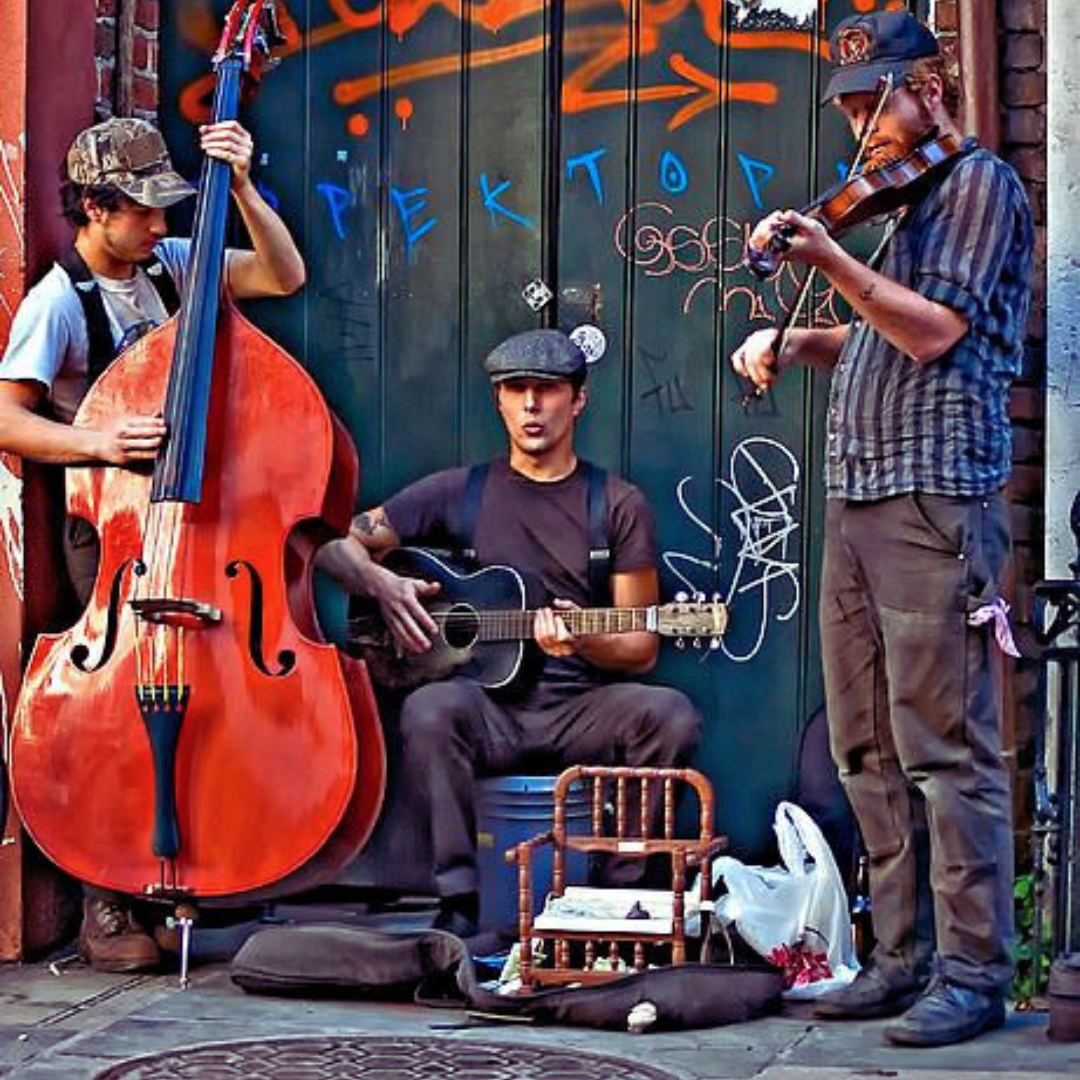
Street musicians, often referred to as buskers, utilise street art as a stage, amplifying their presence and performance. Murals and installations spark interest, attracting passers-by who may stop and engage with the music. This lively interaction creates a unique atmosphere where art and sound intertwine, enhancing the overall experience for both the performers and their audience.
Many buskers incorporate the themes portrayed in street art into their performances, providing social commentary relevant to their locales. They engage with their communities by addressing pressing issues and celebrating local culture through music. This synergy of street art and music fosters a dynamic cultural scene that represents the voices of the community.
The Socio-Political Impact of Street Art on Urban Spaces
Street art serves as a powerful medium for sociopolitical expression in urban settings. It highlights social justice narratives and fosters community engagement while shaping urban identities.
Social Justice Narratives and Political Protests
Street art often conveys messages related to social justice, serving as a voice for marginalised communities. Artists utilise public spaces as canvases to address issues such as human rights, inequality, and systemic oppression. Iconic examples include murals advocating for gender equality and racial justice.
This form of expression transforms urban landscapes into platforms for activism. By confronting societal issues, street artists not only raise awareness but also cultivate dialogue among citizens. As a result, their work can galvanise political protests, driving home the urgency of calls for change.
Community Engagement and Urban Identity
Street art plays a significant role in shaping urban identity, providing a sense of belonging and community pride. Local artists often engage with residents, creating pieces that reflect collective experiences and aspirations. This interaction fosters social cohesion and enhances the cultural fabric of urban areas.
Moreover, street art revitalises neglected spaces, transforming them into vibrant urban canvases that invite social interaction. Communities can celebrate their identities and histories through artistic expressions, encouraging residents to take ownership of their neighbourhoods. This aspect of urban regeneration not only beautifies the environment but also reaffirms the power of community narratives in shaping urban culture.
Cultural Impact and Commercialisation
Street art plays a pivotal role in defining urban identity and impacting local music scenes. The interplay between artistic expression and economic growth presents opportunities and challenges, particularly regarding community involvement and urban change.
Tourism and Economic Benefits Through Cultural Narratives
Street art transforms public spaces into vibrant canvases that attract tourists, fostering economic growth. Cities like Melbourne and Berlin have capitalised on their street art cultures, drawing visitors eager to explore installations that reflect unique cultural narratives.
The combination of street art and urban music contributes to a dynamic atmosphere. Local cafés and venues often host events featuring street performers and musicians, enhancing the cultural experience for tourists. The promotion of these artistic expressions through social media amplifies their reach, creating a loop of engagement and subsequent economic benefits for local businesses.
The Challenges of Inclusivity and Urban Gentrification
While street art can boost local economies, it also raises concerns about inclusivity and gentrification. As neighbourhoods become more desirable due to artistic revitalisation, long-time residents may face displacement. The cultural landscape that initially fostered creativity can shift, prioritising commercial interests over community needs.
Inclusivity is vital for maintaining the authenticity of urban spaces. Initiatives that involve local artists in public art projects help preserve cultural diversity and ensure that artistic expressions reflect the community’s identity. Balancing economic growth with social equity is essential in preserving the essence of urban life and fostering community pride.


You May Also Like

How Soundtracks Give Depth to Visual Media, Enhancing Emotion and Immersion