How Instruments Shape the Voice of a Genre: Exploring Musical Identity and Style
Instruments play a crucial role in defining the sound and identity of a musical genre. They establish the tone, rhythm, and texture that become synonymous with certain styles, making them instantly recognisable to listeners. The choice of instruments directly shapes the voice of a genre by influencing its mood, cultural context, and overall aesthetic.
For example, the electric guitar’s prominence in rock music creates a raw, energetic feel, while the sitar in classical Indian music evokes a more intricate, spiritual atmosphere. Different instruments bring unique qualities that influence how a genre develops and is perceived over time.
Understanding how instruments shape a genre helps explain why music from various cultures and periods sounds distinct. It highlights the connection between sound and identity, showing that instruments are not just tools but foundational elements of musical expression.
The Relationship Between Instruments and Genre Identity
Instruments have a foundational role in shaping how a genre is recognised and understood. Their specific sounds and uses help form distinctive characteristics, influence meaning in music, and interact closely with vocal styles to create a complete musical identity.
How Instrumental Choices Define Genre Characteristics
Certain instruments are closely tied to specific genres. For example, the use of the electric guitar and drum kit is central to rock, while the sitar and tabla are essential in classical Indian music. These choices establish the textural and rhythmic framework that listeners associate with a genre.
Instruments also determine the sonic palette and dynamics common within a genre. Jazz often features brass and woodwind instruments to create complex harmonies, while electronic music relies on synthesisers and drum machines for synthetic textures. This specificity in instrumentation forms the auditory signature of each genre.
The Role of Instruments in Shaping Musical Meaning
Instruments contribute to the emotional and cultural context of music. For instance, the melancholic sound of the violin in blues or folk can deepen lyrical themes of loss or longing, enhancing the listener’s emotional experience.
The timbre and playing technique influence how lyrics and melodies are perceived. A gentle acoustic guitar may evoke intimacy, while an aggressive electric guitar can convey rebellion. These instrumental elements work alongside the vocals to reinforce the intended meaning behind a song.
Interaction Between Instruments and Singing Styles
The relationship between instruments and singing styles affects the genre’s vocal expression. In opera, orchestral instruments provide dramatic support tailored to powerful, trained voices. In contrast, reggae uses rhythmic guitar skanks and a relaxed vocal style to create a distinctive groove.
Instrumental arrangements also dictate phrasing and vocal delivery. Fast, intricate instrumental passages in metal encourage aggressive, rapid vocal styles, whereas smooth jazz instruments support more fluid, improvisational singing. This interplay shapes how the voice contributes to the overall genre sound.
Timbre and the Distinct Voice of Each Instrument
Instruments carry unique timbres shaped by physical traits, the harmonic series, and texture. These elements create the distinct sounds that define genres and influence how a piece is perceived.
Physical Characteristics and Timbre
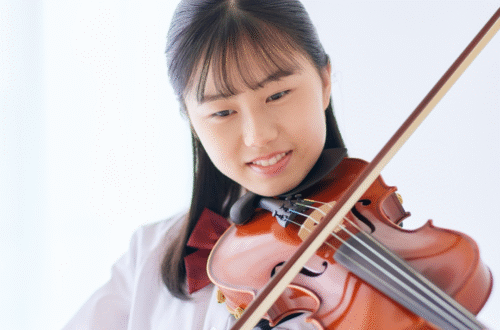
The physical design of an instrument directly affects its timbre. Factors such as the material, size, shape, and method of sound production determine the instrument’s voice. For example, a wooden violin produces a warm, resonant timbre, whereas a brass trumpet sounds bright and piercing due to its metal construction and valve system.
String tension, body cavity, and bore shape also influence tonal quality. Instruments with long air columns, like flutes, often have a clear, airy timbre. Conversely, percussion instruments showcase more percussive, sharp timbres due to their solid surfaces and striking techniques.
The Impact of Overtones and Harmonic Series
Timbre depends heavily on the presence and intensity of overtones, which are multiples of the fundamental frequency. The harmonic series shapes the sound richness and colour of an instrument’s tone.
Instruments emphasising lower harmonics create a mellow sound, while those with stronger higher harmonics sound brighter or more metallic. For example, a clarinet emphasises odd harmonics, resulting in a hollow, woody timbre, whereas a saxophone’s full harmonic series produces a robust, rich tone.
How overtones combine determines the body and complexity of the instrumental sound, affecting genre association and emotional impact.
Texture and Brightness Across Genres
Texture relates to how timbres interact within an ensemble or genre. Brightness describes the perceived shimmer or sharpness of sound, often linked to the dominance of higher harmonics.
Bright timbres appear in genres like pop and electronic music through instruments like synthesisers and electric guitars. In contrast, jazz and classical genres often favour warmer, softer timbres produced by saxophones or cellos, contributing to a smoother texture.
Texture and brightness influence whether music feels dense, light, rough, or clear, helping define the genre’s sonic identity through instrumental timbres.
How Instruments Shape Vocal Performance and Expression
Instruments influence vocal performance by affecting how singers adjust their tone, timing, and dynamics. The interaction between instruments and voice determines the clarity, emotional delivery, and stylistic interpretation of vocal music across genres.
Blending and Contrasting Instrumental and Vocal Timbres
The human voice has a unique timbre that interacts with the sound of instruments in complex ways. In genres like opera or orchestral vocal music, the rich harmony of strings or brass instruments requires singers to project with precision to avoid being masked. Conversely, in gospel, powerful vocal timbres often dominate, with instruments supporting rather than competing.
Singers often mimic or complement instrumental timbres to create unity or deliberate contrast. For example, a soft piano accompaniment may invite a singer to use a warmer, breathier timbre, while a bright trumpet section might inspire a more piercing vocal tone. The balance between blending and contrasting timbres shapes how a vocal line is perceived.
Influence on Melody, Pitch, and Rhythm
Instruments guide singers in shaping melody, pitch, and rhythm. In vocal music with strict melodic structures, such as classical or opera, singers must align precisely with instrumental notes, maintaining exact pitch and octave placement. Instruments like the bass or piano set harmonic foundations that limit or expand a vocalist’s melodic choices.
Rhythmically, the beat and tempo provided by drums or percussion influence vocal phrasing and attack timing. In gospel music, for example, rhythmic accents from instruments prompt dynamic vocal responses or syncopated phrasing. These interactions affect the vocalist’s control over notes, volume, and amplitude changes.
Spectrogram Analysis and Frequency Range
Spectrograms visualise frequencies and amplitudes in vocal and instrumental soundwaves, revealing how they overlap or diverge. The human voice typically covers frequencies from approximately 100 Hz to 1,200 Hz, depending on pitch and register. Instruments extend this range, with bass supporting low frequencies and strings or brass filling mid to high bands.
Spectrograms can show how vocal attacks—where sound begins—are shaped by instrumental dynamics. For instance, a vocal attack might soften if competing with a sharp violin note. This analysis helps producers and performers optimise balance by adjusting volume or frequency emphasis to ensure clarity and expressiveness in each note.
Genre Evolution Through Instrumental Innovations
Musical genres change as new instruments and technologies affect sound, rhythm, and structure. Innovations influence pitch, frequency, and the attack of sound waves, creating distinct auditory experiences. These shifts often lead to altered genre identities and new combinations.
Historical Shifts in Instrumentation
Early genres often grew from available acoustic instruments. For example, jazz evolved with brass and woodwinds, emphasising bright attack and complex pitch structures. The rise of the electric guitar in rock introduced amplified frequencies and new tonal possibilities, reshaping genre dynamics.
Folk music traditionally used simple string instruments and percussion, focusing on natural sound waves and organic frequency ranges. The introduction of synthesisers in the 20th century shifted genres like pop and electronic, altering sound wave manipulation and attack characteristics.
Technological Advances and New Sounds
Electronic instruments and digital technology expanded the range of sounds within genres. Synthesisers and drum machines allow precise control over frequency, pitch, and envelope, creating sounds impossible with acoustic instruments.
The development of MIDI enabled intricate layering and manipulation of pitch structures and timing. Producers now shape the attack and decay of sounds with precision, impacting genres like EDM and hip-hop.
Fusion Genres and Unique Instrumental Combinations
Hybrid genres often arise from mixing instruments with contrasting sound wave properties. Jazz fusion blends electric guitars and synthesisers with traditional brass, merging organic and synthetic frequencies.
World music influences bring instruments like the sitar or djembe into Western genres. These combinations introduce unique pitch structures, attack patterns, and frequency ranges, enriching the genre’s voice and expanding its audience.


You May Also Like

Beginner’s Guide to Playing Ukulele: Master the Basics with Ease
Tips for Learning the Piano: Unlock Your Musical Potential