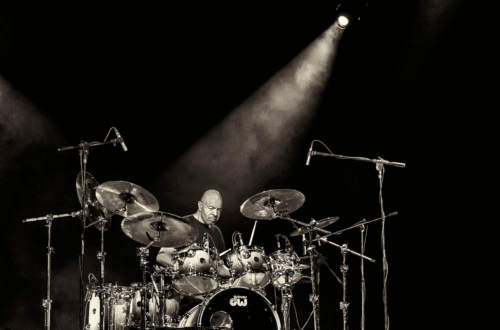
How Underground Music Scenes Challenge the Mainstream: Shaping Culture Beyond the Spotlight
Underground music scenes have continuously pushed against the boundaries set by mainstream culture. They offer alternative sounds, themes, and methods that question popular norms and commercial priorities. These scenes challenge the mainstream by fostering creativity and community outside the constraints of mass appeal and corporate control.
They often act as incubators for innovation, influencing broader music trends without seeking immediate commercial success. Their existence highlights a demand for authenticity and diversity that the mainstream frequently overlooks or suppresses.
By remaining independent and grassroots, underground movements maintain a critical space for artistic expression. Their impact is seen not only in new genres but also in how they reshape audience expectations and cultural conversations.
Defining Underground Music Scenes and Their Core Values
Underground music scenes operate outside established commercial platforms, prioritising originality and cultural authenticity. They place strong emphasis on artistic freedom, often challenging dominant industry practices. These scenes encompass a variety of music genres and sounds, reflecting a wide array of creative expressions.
What Makes Music Underground
Underground music typically exists beyond mainstream distribution channels and media coverage. It often emerges from grassroots movements, small venues, and independent labels rather than major corporations. This positioning allows artists to retain control over their work and build dedicated, niche audiences.
The underground status is also linked to an intentional distance from commercial success. Musicians in these scenes prioritise expression or community over profit, which helps preserve the music’s authenticity. This independent foundation often leads to experimental approaches not driven by market trends.
Artistic Freedom and Rebellion Against the Mainstream
Artistic freedom is a central value in underground music scenes. Musicians reject conventional norms enforced by major record labels, which often shape sound and image for mass appeal. Instead, they explore alternative themes, structures, and production techniques.
This freedom fosters rebellion against commercial pressures to conform. By resisting mainstream expectations, artists maintain creative control and challenge the industry’s homogeneity. It encourages innovation and influences broader music culture from the margins.
Diversity of Music Genres and Sounds
Underground scenes feature a broad spectrum of music genres, from punk and experimental electronic to avant-garde jazz and hip-hop. This diversity stems from the absence of commercial constraints, allowing niche styles to thrive.
The variety also reflects the inclusive ethos of underground culture, where unconventional sounds and fusion genres gain exposure. This openness cultivates creativity and continually pushes the boundaries of what music can be beyond mainstream definitions.
How Underground Music Scenes Challenge Mainstream Trends
Underground music scenes oppose conventional ideas through independent creation and distribution, often outside major commercial circuits. They shape popular culture by influencing mainstream artists and industries while fostering tight-knit communities driven by a DIY ethic.
Rejecting Commercial Pressures and Industry Norms
Underground artists often reject the commercial demands imposed by major record labels. They avoid formulaic songwriting, preferring experimentation over mass market appeal. This resistance is evident in genres like post-punk and grunge, where bands such as Nirvana initially gained traction through independent labels rather than mainstream contracts.
By sidestepping mainstream industry expectations, underground musicians maintain creative control and authenticity. This independence frequently leads to innovative sounds that contrast sharply with the polished and market-driven productions dominating radio airplay and sales charts.
Influence on Popular Culture and Mainstream Successes
Underground movements have repeatedly impacted mainstream music trends. For example, grunge’s raw sound, born in Seattle’s underground scene, drove Nirvana’s rise and reshaped 1990s rock globally. Post-punk and indie music similarly influenced alternative rock’s aesthetics and themes.
Mainstream artists often incorporate underground styles or collaborate with independent producers. This blending introduces fresh ideas and revitalises controlled industry norms, demonstrating the underground’s lasting imprint on popular culture and commercial music.
The Role of Community and DIY Ethos
Communities within underground scenes prioritise self-reliance and mutual support, using a do-it-yourself approach to production, promotion, and distribution. Independent labels are vital in nurturing talent overlooked by the mainstream, enabling artists to reach niche audiences without compromising their vision.
This DIY ethos encourages local venues, zines, and online platforms to sustain these scenes. The collective nature fosters innovation and resilience, allowing underground music to thrive despite limited financial resources or exposure.
Key Movements, Artists, and Digital Platforms Shaping the Underground
Underground music scenes have evolved through influential artists, genre innovation, and the rise of digital platforms. These elements have collectively expanded access and shifted how music is created and consumed, creating distinct spaces outside mainstream channels.
Iconic Artists and Notable Scenes
Artists such as Aphex Twin have played a pivotal role in shaping underground music. Known for his experimental approach to electronic music, Aphex Twin influenced countless artists and helped push electronic sounds into less conventional territories.
Scenes like Detroit techno and UK rave culture further illustrate the underground’s impact. These movements emerged as counterpoints to mainstream pop, emphasising DIY ethics and community-driven events. They often operated in local venues and illegal warehouses, fostering intimate, authentic connections between artists and audiences.
Collectives and labels such as Warp Records helped promote underground acts on an international scale. These hubs maintained artistic freedom and innovation, resisting commercial pressures that mainstream music often faces.
The Rise of Electronic and Experimental Genres
Electronic music has been fundamental to underground scenes since the 1980s. Subgenres like IDM, dubstep, and breakcore evolved from experimental sound manipulation, creating new textures and rhythms that mainstream outlets largely ignored at first.
This experimentation often involved unconventional production techniques, including modular synthesis and complex sampling, which artists like Aphex Twin popularised. These innovations challenged mainstream music’s structure and expectations.
The experimental nature of these genres allowed producers to explore emotions and atmospheres not typical in commercial music, attracting audiences seeking originality. Many underground electronic scenes continue to thrive on this foundation to this day.
Digital Innovation and Access: Bandcamp, SoundCloud, and Beyond
Platforms like SoundCloud and Bandcamp revolutionised how underground music is distributed and discovered. SoundCloud’s open access allowed unknown artists to upload music directly, bypassing traditional gatekeepers such as labels or radio stations.
Bandcamp added a vital layer by providing artists with more control over sales and fan engagement. It fostered a community where fans could directly support musicians, strengthening the underground economy.
These platforms enabled niche genres and regional scenes to reach global audiences. They also encouraged collaborations and cross-pollination between styles, further diversifying underground music. Without these digital tools, many underground artists would remain invisible to wider publics.


You May Also Like

Tips for Learning the Piano: Unlock Your Musical Potential

How Music Therapy is Used in Mental Health Treatment to Enhance Emotional Well-Being