
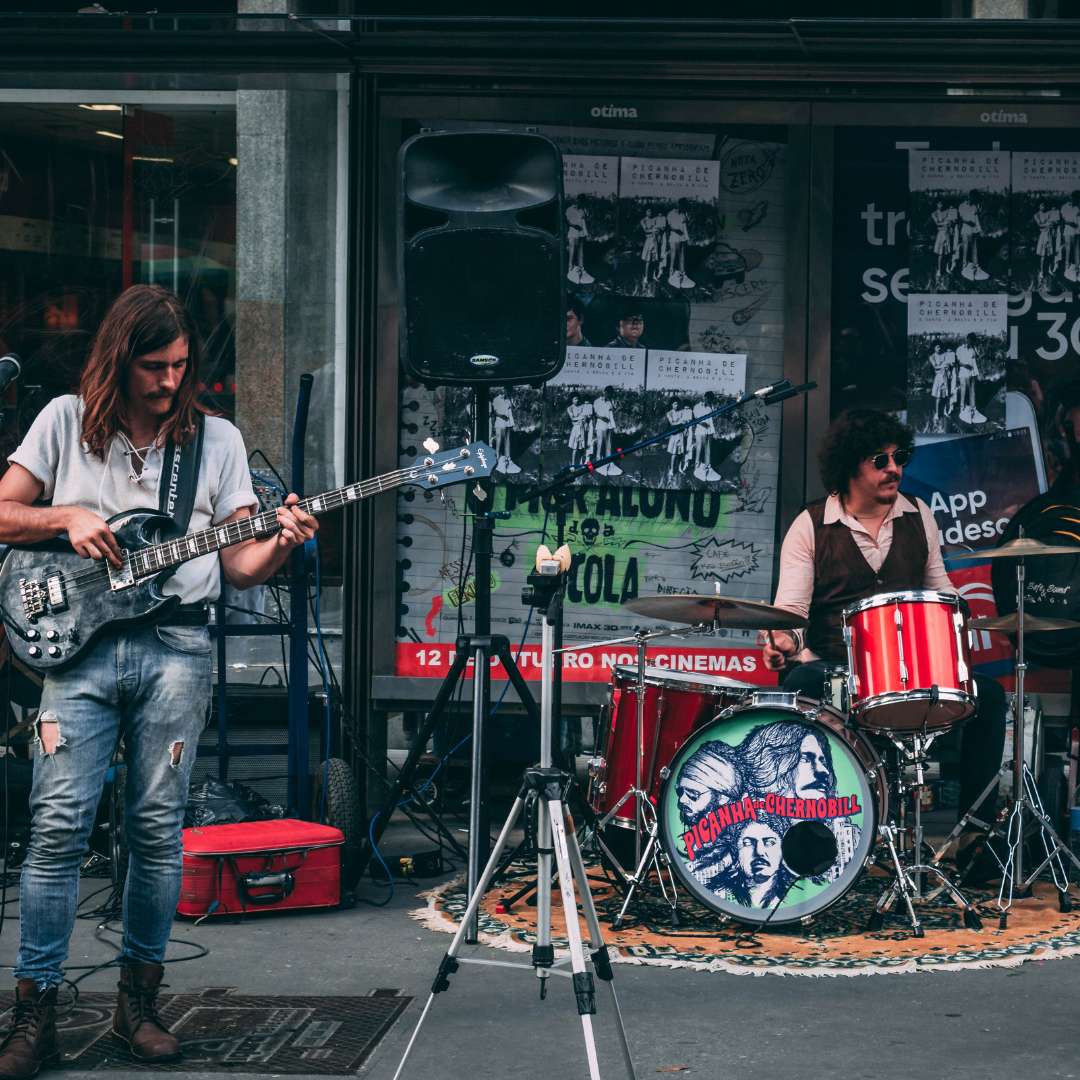
Why Live Performance Remains the Heart of Musical Connection in an Increasingly Digital World
Live performance remains the heart of musical connection because it creates an immediate and shared experience between the artist and the audience. The energy exchanged in a live setting cannot be replicated through recordings or digital platforms, making it a unique form of communication.
When people gather for a concert, they engage all their senses, absorbing not just the sound but also the atmosphere and the raw emotion of the moment. This environment fosters a deeper appreciation and understanding of the music.
Even in an age dominated by streaming and virtual access, the power of seeing music performed live continues to draw people together. It bridges gaps, unites strangers, and turns music into a collective memory.
Live Performance as the Core of Musical Connection
Live performance creates a direct and tangible link between artists and audiences. It relies on emotional exchange, the authenticity of live presence, and the unique communal experience shared in real time.
The Emotional Impact of Live Music
Live music evokes emotions through sound and atmosphere that recordings cannot replicate. The immediacy of hearing instruments and voices in real time stimulates an intense emotional reaction.
Audience members feel the energy and passion transmitted by performers, strengthening their emotional engagement. This connection triggers memories, empathy, and a deeper appreciation of the music’s message.
The emotional highs and lows of live performances mirror human experience, making each event unique. This dynamic emotional impact motivates audiences to attend live shows repeatedly.
Authenticity and Presence on Stage
Stage presence shapes how live performances connect with audiences. Authenticity emerges when artists engage honestly, showing vulnerability and skill without artificial enhancements.
Live performance demands adaptability and real-time communication. Musicians cannot rely on edits; their artistry is demonstrated through their ability to deliver in the moment.
This genuine presence fosters trust and respect from the crowd. It marks live music as a living, evolving art form distinct from studio-produced tracks.
Creating Shared Experiences
Live performances gather diverse individuals into a single space with a shared focus. This collective attention forms a communal experience grounded in music.
Physical proximity and synchronised responses—clapping, singing, dancing—build social bonds. Audiences feel part of a larger whole, connected through the rhythm and emotion of the event.
These shared moments create lasting memories and a sense of belonging. Live music turns individual listening into a mutual cultural interaction, reinforcing its lasting significance.
Artist-Audience Relationships in Live Settings
Live shows create a dynamic space where musicians and audiences interact directly, shaping emotional and social connections. These interactions enhance loyalty, foster inclusive communities, and engage fans in ways recordings cannot achieve.
Building Stronger Fan Connections
Musicians establish deeper personal bonds with fans during concerts by responding to crowd reactions and sharing spontaneous moments. This real-time interaction allows artists to adapt performances, creating unique experiences that recordings cannot replicate.
Fans often value the sense of exclusivity from live shows, feeling part of an event shaped by their presence. Artists commonly use setlist changes, direct address, or storytelling to strengthen these connections, encouraging ongoing support beyond the concert.
Community and Belonging
Concerts often unite people from diverse backgrounds around shared musical tastes. This environment fosters a sense of belonging that extends beyond the venue, creating lasting friendships and social networks rooted in common interests.
Live performances contribute to a collective identity, where fans experience emotions simultaneously, reinforcing group cohesion. Musicians benefit by cultivating dedicated fanbases that help sustain careers through continued attendance and word-of-mouth promotion.
Audience Engagement Beyond Recordings
Unlike recorded music consumed passively, live shows demand active participation through singing, dancing, and clapping. This physical engagement heightens emotional investment and creates memorable moments associated with the artist.
Musicians can also gauge audience mood instantly and respond by altering pacing or intensity, personalising the experience. This interactive element adds value to live events that streaming and downloads rarely match, maintaining the relevance of concerts in the digital age.
The Role of Live Performance in Music Industry Growth
Live performance directly affects the growth of the music industry through various channels. It helps musicians build their careers, expand their audiences, foster important professional relationships, and generate significant economic value.
Career Development for Musicians
Live shows are crucial for musicians to refine their craft and build a loyal fanbase. Performing regularly allows artists to hone their stage presence and connect emotionally with listeners. This real-time feedback can guide improvements in both music and performance style.
Musicians often use live events to test new material before recording. Successful performances increase visibility, leading to opportunities such as record deals, collaborations, or media coverage. Overall, live shows serve as proof of an artist’s viability in a competitive industry.
Reaching New Audiences
Live performances enable musicians to reach audiences that may not discover them through digital channels alone. Touring different cities or countries exposes their music to diverse demographics. Festivals and support slots for established acts also provide access to larger crowds.
Playing live creates memorable experiences that encourage word-of-mouth promotion. Fans who attend shows often become dedicated supporters and share music with their networks. This organic growth supplements online presence and marketing efforts, expanding an artist’s reach effectively.
Networking and Industry Opportunities
Live events are prime venues for networking within the music industry. Musicians meet managers, promoters, booking agents, and other artists who can facilitate career advancement. Informal backstage conversations or shared performances often lead to strategic partnerships.
Industry insiders attend live performances to scout talent and gauge audience reactions. These interactions can result in booking offers, sponsorship deals, or media exposure. The social aspect of live shows remains a critical mechanism for connection and opportunity.
Economic Benefits of Live Events
Live performances contribute significantly to the music industry revenue. Ticket sales, merchandise, and concessions generate direct income for musicians and event organisers. Additionally, local economies benefit from increased tourism, hospitality, and transport services linked to concerts.
The rise of live streaming has also opened new revenue streams, allowing artists to monetise performances beyond physical venues. Despite digital growth, in-person events continue to drive the majority of financial gains due to their immersive nature and fan demand.


You May Also Like

How Music Trends Are Influenced by Social Media: Exploring the Digital Revolution in Sound

How Musicians Craft Identity Through Instrumentation: Exploring Artistic Expression and Style Development
