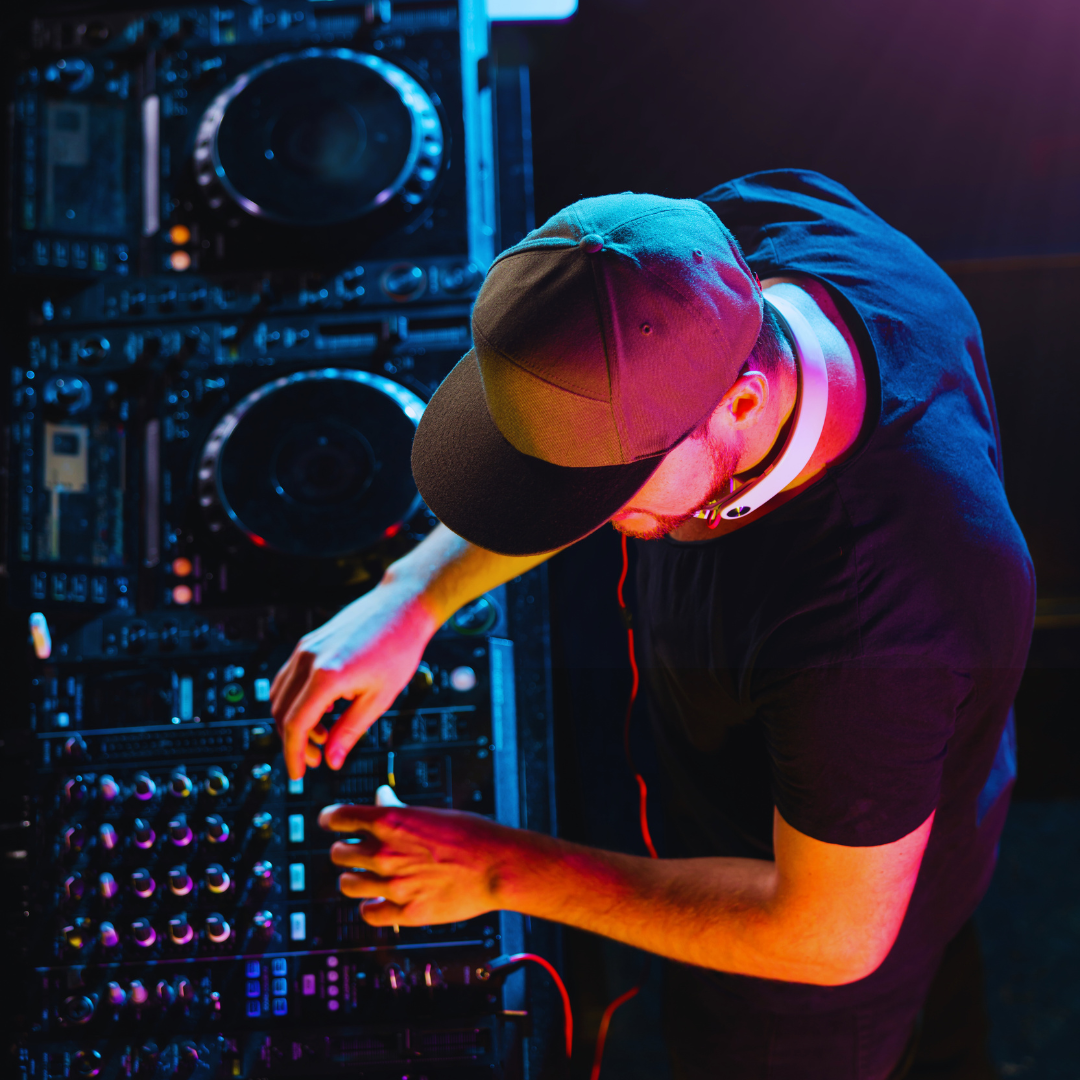
How Synths Shaped Electronic Music: A Journey Through Innovation and Sound
The evolution of electronic music owes much to the advent of synthesisers. Synths revolutionised the way musicians created sound, allowing for a range of possibilities that were previously unattainable. This technology not only expanded the sonic palette but also fostered new genres, merging traditional music with innovative electronic elements.
From early pioneers like Kraftwerk to contemporary artists, synthesisers have played a critical role in shaping musical landscapes. They provided an accessible means for artists to experiment, pushing the boundaries of what music could be. As electronic music grew in popularity, synths became synonymous with the genre, symbolising creativity and innovation.
Understanding the impact of synthesisers on electronic music reveals how this relationship has driven artistic expression and genre diversity. With each advancement in synthesiser technology, artists have found new ways to capture emotions and ideas, solidifying the synthesiser’s place at the forefront of musical evolution.
Evolution of Synthesisers in Music
The evolution of synthesisers has profoundly influenced electronic music. Key developments from analogue to digital technology have expanded musical possibilities, shaping genres and sounds.
From Moog to Modern Synths
In the 1960s, Robert Moog pioneered the synthesiser with his iconic Moog Modular Synthesisers. These analogue synthesisers used oscillators and filters to create and manipulate sound. Artists such as Wendy Carlos brought the Moog to mainstream music, notably in the album Switched-On Bach.
Throughout the 1970s and 1980s, synthesisers became more accessible. Instruments transitioned from monophonic to polyphonic designs, allowing musicians to play multiple notes simultaneously. Notable devices like the Roland Juno-60 and Yamaha DX7 showcased the evolving capabilities of electronic instruments, influencing genres such as pop and rock by providing new textures and timbres.
The Digital Revolution
The arrival of digital synthesisers in the late 1980s marked a significant turning point. These instruments utilised digital computers to create sounds with greater precision and versatility. Technologies like MIDI enabled seamless integration between instruments and devices, streamlining the production process.
Digital Audio Workstations (DAWS) revolutionised music creation by allowing musicians to record, edit, and arrange music digitally. The rise of software synthesisers further democratised access to sound design, offering vast libraries of presets and customisation options. This shift led to the proliferation of electronic music genres, from house to techno, each benefiting from the innovations in synthesiser technology.
Synthesisers in Genre Formation and Evolution
Synthesisers have played a pivotal role in shaping musical genres, enabling artists to explore new sounds and redefine boundaries. Their unique capabilities in sound design influenced rock, pop, electronic dance music, and even jazz genres.
Synths in Rock and Pop
In rock and pop, synthesisers became integral during the late 1970s and early 1980s. Bands like Kraftwerk and Genesis utilised synthesisers to create innovative soundscapes that expanded traditional rock elements.
The Moog synthesiser and ARP Odyssey helped define the sonic identity of this era. Synthesisers added layers of texture, paving the way for iconic synth-pop acts such as Depeche Mode and Duran Duran.
Key Developments:
- Incorporation of drum machines for live performances
- Creation of hooks with synthesiser melodies
The Rise of EDM and Dance Music
The advent of electronic dance music (EDM) in the early 1990s marked a significant shift in genre formation. Synthesisers and drum machines, such as the Roland TR-808, became staples in dance music production.
Merging with samplers and sequencers, these tools allowed producers to manipulate sounds extensively. The influence of synthesisers became evident in genres like techno, house, and trance. Artists like Daft Punk and Deadmau5 transformed the sound of EDM using complex synth arrangements.
Notable Contributions:
- Emphasis on basslines and synth leads
- Creation of immersive sound environments
Jazz, Funk, and Fusion Explorations
Synthesisers significantly impacted jazz, funk, and fusion genres in the 1970s. Artists like Herbie Hancock and Chick Corea integrated synthesisers into their compositions, blending traditional instrumentation with electronic elements.
Hancock’s use of the Yamaha DX7 and other synthesisers contributed to the fusion jazz movement. Funk bands, such as Parliament-Funkadelic, employed synthesisers for their unique grooves and melodic lines, fostering a new sound landscape.
Essential Elements:
- Incorporation of electronic effects and sequencing
- Innovative sound exploration through improvisation
These developments illustrate how synthesisers not only influenced genre characteristics but also encouraged artists to push creative limits.
Technological Impact on Music Production and Performance
The advancement of technology has significantly influenced music production and live performances, particularly in electronic music. Synthesisers have played a crucial role in shaping these developments, highlighting their importance in both studio environments and on stage.
MIDI Controllers and DAW Integration
MIDI controllers serve as essential tools in modern music production. They enable musicians to control various software and hardware instruments within a DAW (Digital Audio Workstation). These devices often feature pads, knobs, and keyboards that provide hands-on control over sound synthesis and effects processing.
Integrating MIDI controllers with DAWS has streamlined workflows. Musicians can instantly trigger samples, manipulate virtual synths, and sequence patterns with precision. Popular controllers include the Akai MPK series and Novation Launchpad, which enhance creativity by enabling dynamic performances and intuitive sound manipulation.
The Role of Synths in Live Performance
Synthesisers have revolutionised live music performance. They offer versatility in sound production, allowing artists to create unique textures and effects in real time. Many performers use workstations that incorporate multiple synthesiser engines, enabling seamless transitions between different sounds without interrupting the flow.
Keyboards and modular synth setups are common on stage. They allow for expressive playing and the ability to improvise, which adds an interactive element to performances. Additionally, sequencers can pre-arrange complex compositions, giving artists the freedom to focus on engaging with their audience while maintaining musical integrity.
The Future and Continuous Innovation
The landscape of electronic music is constantly evolving, driven by advancements in technology and creative exploration. Emerging techniques in synthesis and sound design play a crucial role in shaping future music trends.
Physical Modelling, Synthesis, and Beyond
Physical modelling synthesis simulates the behaviour of acoustic instruments through mathematical models. By manipulating parameters, sound designers can create realistic representations of instruments like the Theremin and Ondes Martenot, providing rich sonic palettes.
As these technologies advance, the integration of AI in music creation allows for greater complexity and nuance. Artists can explore previously unimagined sonic possibilities, leading to innovative sound combinations. Patch memory systems enhance these experiences by enabling users to save and recall specific settings quickly. This trend towards blending physical modelling with traditional synthesisers expands creative horizons in electronic music.
The Synthesis of Acoustic and Electronic Sounds
The fusion of acoustic and electronic sounds is pushing boundaries in music production. Contemporary artists are increasingly blending electronic instruments with traditional acoustic ones to create unique soundscapes. This integration provides a full spectrum of tonal richness, allowing for expressive and dynamic compositions.
New technologies enhance this synthesis process. For example, software and hardware advancements allow for precise sound manipulation and layering. As this trend continues, instruments evolve into hybrids that incorporate both physical and electronic characteristics. This continuous innovation drives sound design forward, compelling musicians to explore new avenues in their artistry.


You May Also Like

Beginner’s Guide to Learning the Guitar: Essential Tips and Techniques for Success

Why Sound Design Is the Secret Weapon in Music: Unlocking Creative Potential and Impact